Past Project
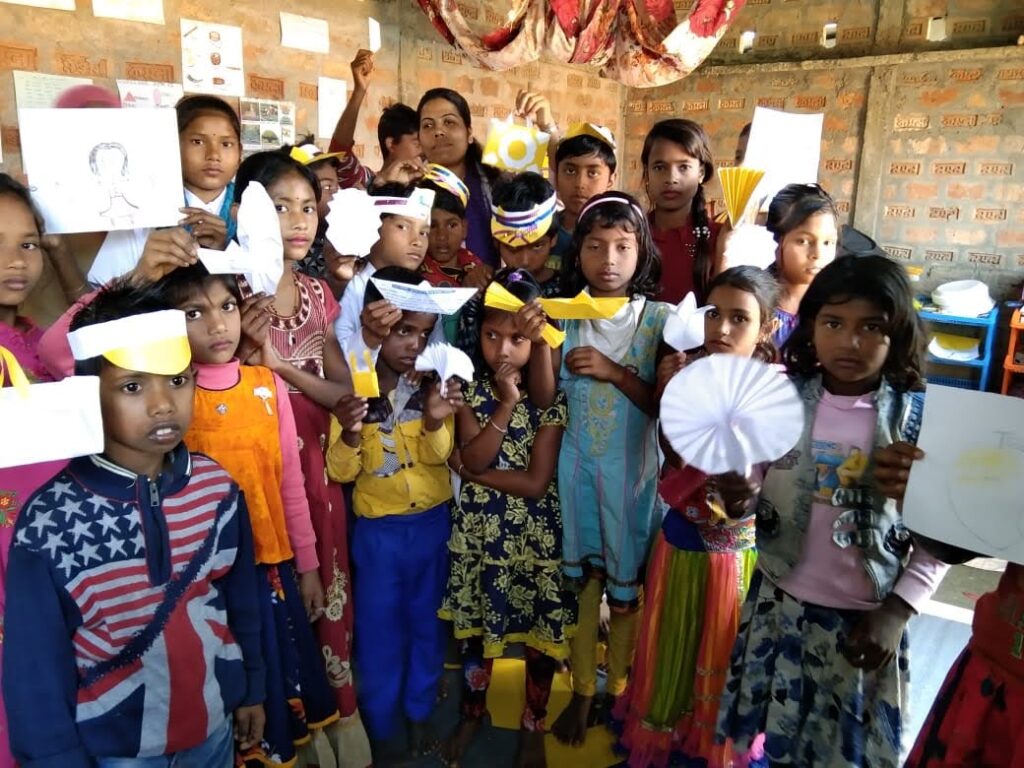
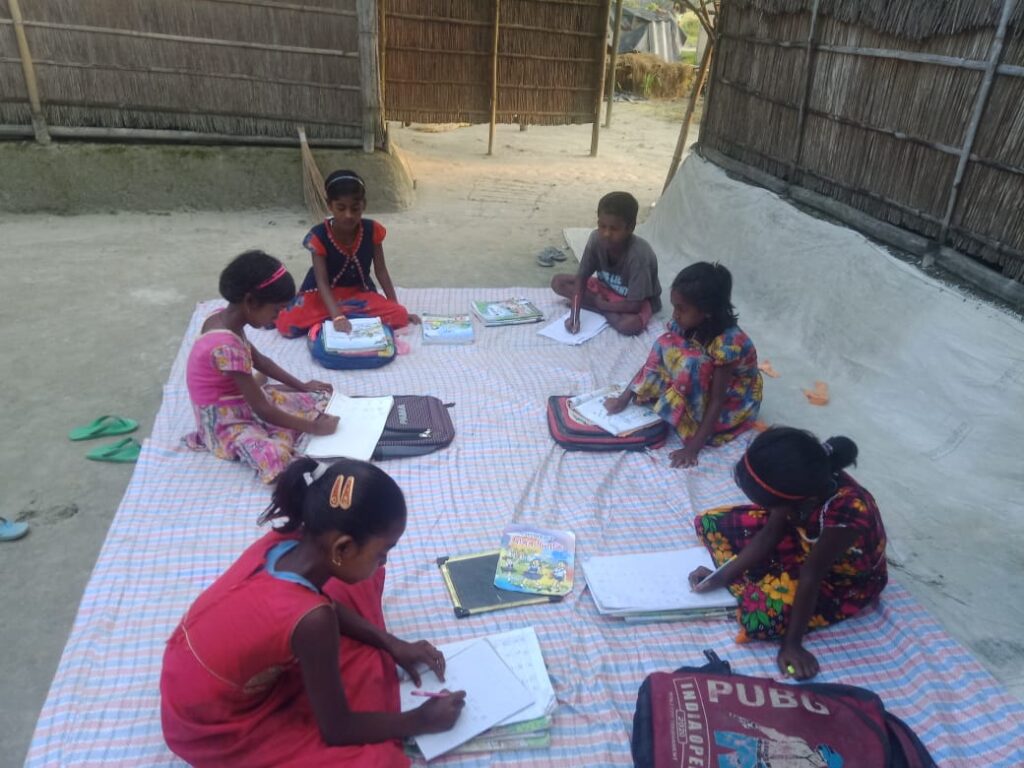
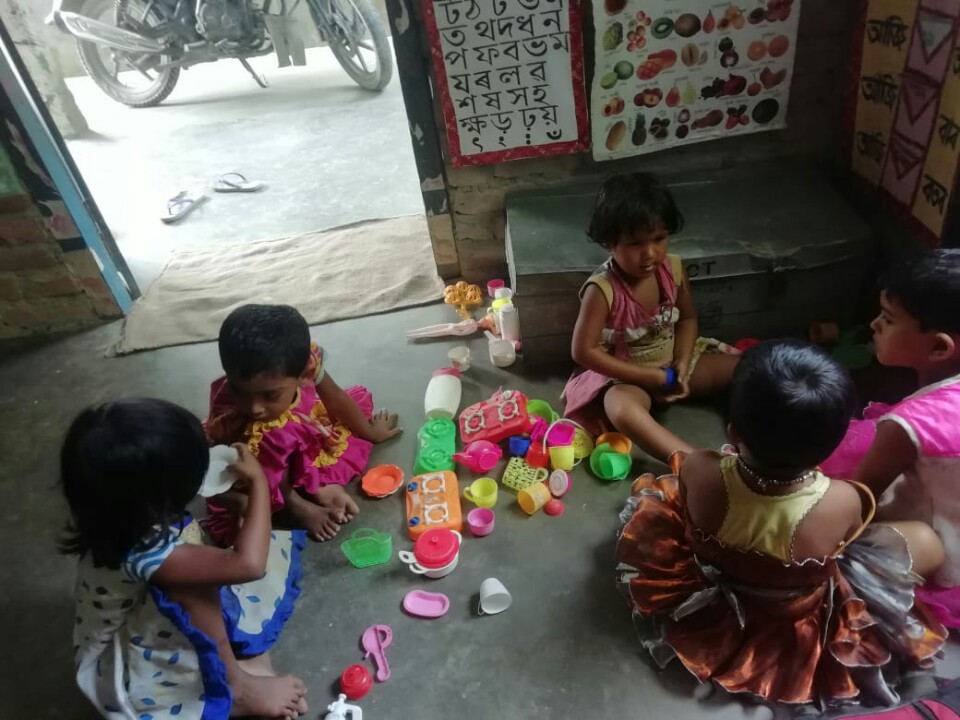
Quality Education for Rural Children (2011–12)
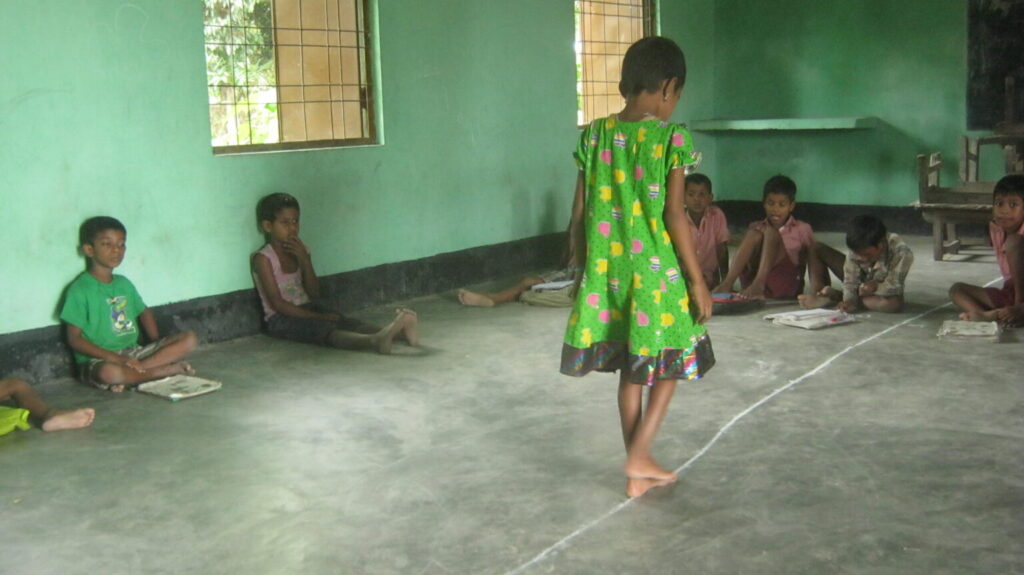
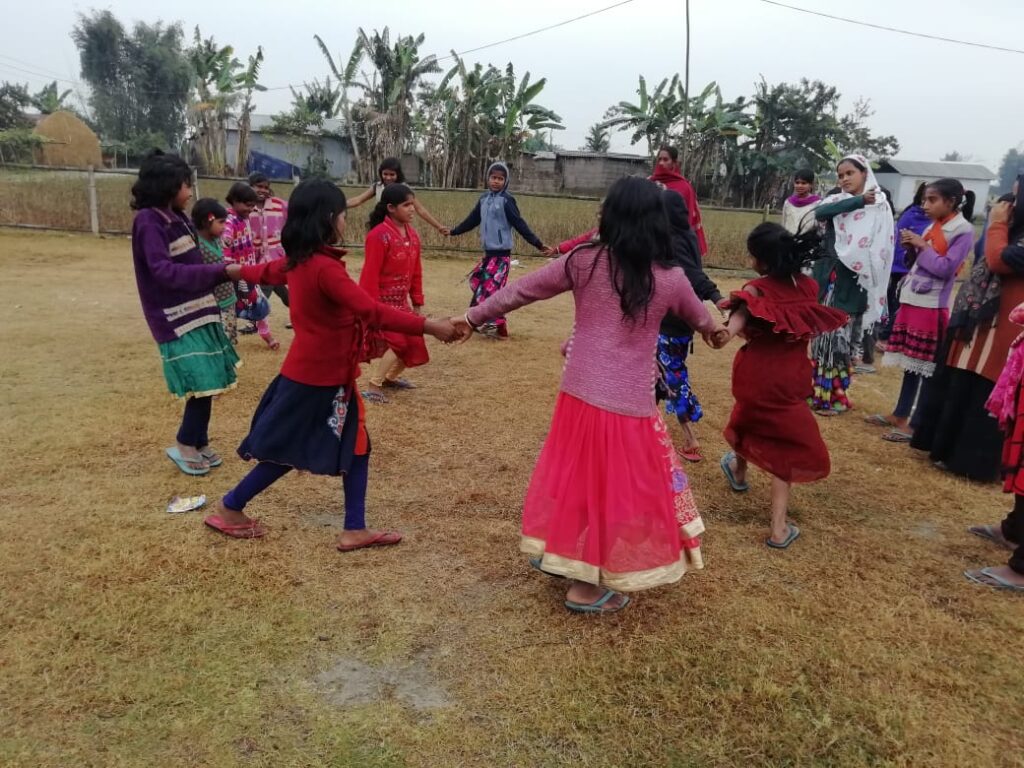
The project “Quality Education for Rural Children”, supported by the National Foundation for India, was implemented during the year 2011–12 in three villages under the Tapattary Development Block of Bongaigaon district, Assam—Sontoshpur Part II, Sontoshpur Part III, and Dumerguri Part I.
The primary aim of this past project was to ensure quality education for rural children and to reduce school dropout rates in these underserved communities. Through continuous community engagement, support to students, and coordination with local schools, the project worked to strengthen children’s learning levels and promote regular school attendance among vulnerable families.
Life Skill Education and Healthy Practices (2012)
In 2012, JMECT implemented a project focused on promoting life skill education and ensuring healthy practices among school-going children. The initiative covered 9 different schools across 4 community habitations, aiming to strengthen students’ personal development, health awareness, decision-making abilities, and positive behavior.
This project was supported by The Action North East Trust (the ant) and played a vital role in enhancing students’ understanding of health, hygiene, and essential life skills within rural communities.
Setting Up Educational Centers for Refugee Children (2012)
In 2012, large-scale ethnic violence in Bodoland, Assam, forced thousands of families to flee their homes. Many lost their houses, belongings, and even family members, leaving them without the basic necessities to rebuild their lives. As per Government data, nearly 5 lakh people—referred to as refugees—were sheltered in relief camps across Kokrajhar, Chirang, Bongaigaon, and Dhubri districts following the Muslim–Bodo conflict.
During this crisis, the education of children living in the refugee camps came to a complete halt, isolating them further from mainstream society. To address this critical gap and ensure continuity in their learning, JMECT established 5 educational learning centers within the refugee camps, with support from The Action North East Trust (the ant). These centers provided basic education, psychosocial support, and a safe learning environment for displaced children during a highly vulnerable period.
Supplementary Education for School-Going and Dropout Children (2012–2014)
The project “Supplementary Education for School-Going and Dropout Children” was designed to improve the quality of education and reduce the vulnerability of dropout children by creating supportive learning opportunities. JMECT implemented this initiative in six minority-concentrated villages under the Tapattary Development Block of Bongaigaon district, Assam.
The project was funded by the Sir Dorabji Tata Trust, Mumbai, and was carried out from March 2012 to October 2014. Through supplementary classes, community engagement, and regular academic support, the project helped strengthen foundational learning and encouraged children to continue their education.
Schooling and Learning Improvement Program for Children (Completed in March 2018)
JMECT implemented a comprehensive project aimed at improving the learning levels of children and enhancing the overall schooling environment in rural areas of Bongaigaon district. Supported by the Jamsetji Tata Trust, the initiative was carried out over a period of 3.5 years and covered 9 villages under the Tapattary Development Block.
As part of the project, JMECT established:
8 Remedial Coaching Centers to strengthen foundational learning for school-going children,
9 Pre-Primary Learning Centers to support early childhood education, and
2 Model Education Centers to serve as hubs of quality learning and good practices.
The project was successfully completed in March 2018, contributing significantly to improved educational outcomes and stronger community engagement around children’s education.
ROSHINI – Education Support for Underprivileged Children (November 2016 – March 2019)
JMECT implemented the educational initiative “ROSHINI” from November 2016 to March 2019, with joint support from the Shamdasani Foundation and the National Foundation for India (NFI). The project was implemented in Sontoshpur Part II, under the Tapattary Development Block of Bongaigaon district, Assam, with a focus on improving learning opportunities for children from marginalized and underserved communities.
The project aimed to ensure quality education for children from disadvantaged backgrounds and support their holistic development so they could become confident, capable, and responsible citizens. Through this initiative, JMECT provided direct educational support to approximately 560 children, including those enrolled in government schools and children from slum areas who lacked access to academic guidance and learning resources.
As part of the program, JMECT worked closely with two government primary schools, providing Early Childhood Care and Education (ECCE) support at Tapattary Nabadoy LPS to prepare younger children for smooth entry into formal schooling. In addition, remedial education support was offered to school-going children to bridge their learning gaps and prevent dropout—particularly among children receiving little or no academic support at home.
Capacity building and community engagement were key components of the project. Activities included teacher training workshops, development of teaching-learning materials (TLMs), parent–guardian meetings, regular discussions with teachers, and engagement with School Management Committees (SMCs) to strengthen school environments and improve accountability. Alongside this, efforts were made to develop J.M. Academy as a model education center to showcase improved learning practices and foster a stronger education culture in the locality.
The ROSHINI project played a vital role in enhancing learning outcomes, strengthening school environments, and expanding educational access for children from rural and marginalized families in Assam.
Ensuring Quality Education for Children in Rural Areas of Bongaigaon (2015–2019)
From March 2015 to March 2019, JMECT implemented a comprehensive education initiative aimed at improving learning outcomes and strengthening the schooling environment in rural areas of Bongaigaon district. Supported by the Wipro Foundation, the project worked closely with government schools to ensure holistic and sustainable improvements.
The initiative included:
Early Childhood Care and Education (ECCE) support in 4 government primary schools,
Remedial education services for school-going children to enhance foundational learning,
School System Strengthening, covering 10 additional government schools through regular meetings, workshops, teacher trainings, parent/guardian meetings, and group discussions with teachers, school management committees, and government officials,
Organizational Development support to strengthen JMECT’s internal systems and capacities.
This multi-layered approach contributed to better classroom practices, improved community participation, and stronger school functioning across the project villages.
Assam State Initiative – Education (2019–2021)
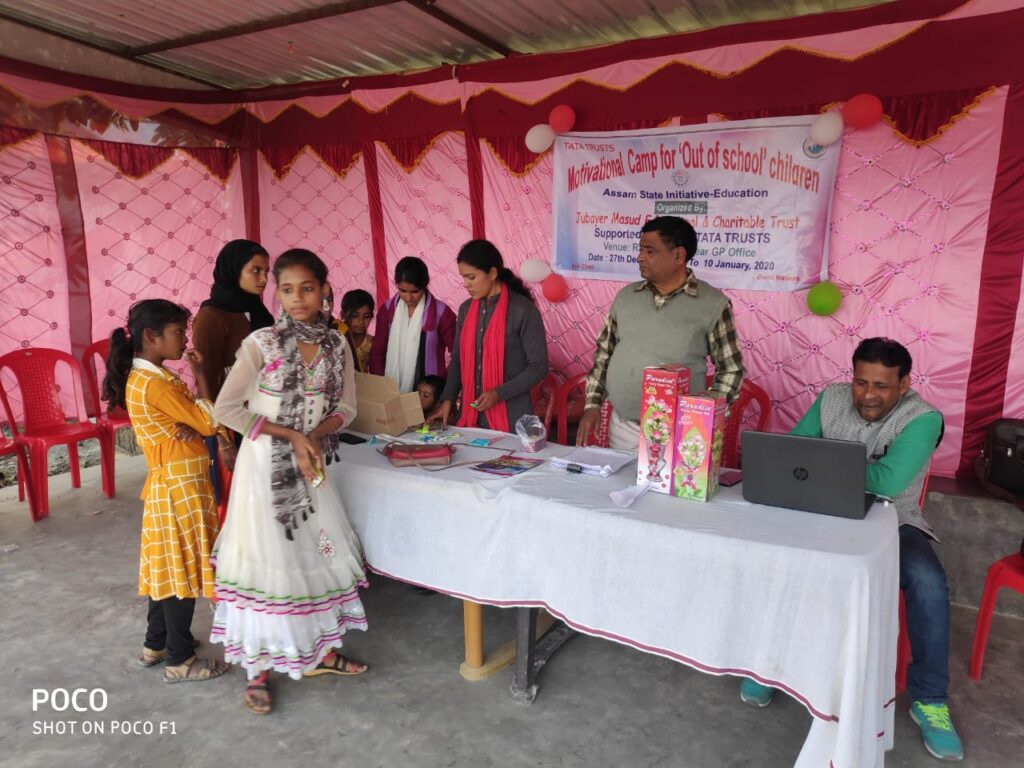
The project “Assam State Initiative – Education” was implemented by JMECT to improve the quality of education and reduce the vulnerability of dropout children across 25 minority-concentrated villages under the Tapattary Development Block of Bongaigaon district, Assam. Supported by Tata Trusts, Mumbai, the project was carried out from October 2019 to March 2021 and adopted a holistic approach to strengthening children’s learning and school systems. Key activities included providing Early Childhood Education (ECE) for young learners and Remedial Education support for school-going children to enhance academic performance. Alongside direct learning support, the project also focused on strengthening community engagement through parent awareness sessions and the activation and capacity building of School Management Committees (SMCs) to ensure better school governance and accountability. Through these combined interventions, the initiative made meaningful progress toward improving learning outcomes and fostering a supportive educational environment in rural communities.
Project Avahan ( Domestic Violence)2020-2023
JMECT implemented the project “Avahan (Against Violence at Home – Act Now!)” from 3rd October 2020 to 30th September 2023 with the objective of challenging the normalization of domestic violence and breaking the culture of silence surrounding it. The project sought action from survivors, communities, and institutional systems to prevent and respond to the violence experienced by women within their homes. Implemented across six villages under the Tapattary and Srijangram Development Blocks of Bongaigaon district, the initiative worked to reduce domestic violence through a multi-layered, community-centred approach. Key interventions included direct support services for survivors, community awareness initiatives, and strengthening women’s leadership to advocate for safety, dignity, and rights.
To drive sustained change, Response Groups were formed in each village to prevent early and forced marriages, counsel families and individuals, discourage harmful practices, and raise community awareness on the consequences of gender-based violence. Understanding that gender inequality is rooted in entrenched social norms, discrimination, unequal power relations, and exclusion, the project adopted a gender-transformative approach—not only addressing immediate cases of violence, but also challenging and changing the systems and beliefs that allow such violence to persist. The initiative aimed to improve both the daily realities and the long-term social position of girls and women, guided by six core principles: addressing gender norms across the life course; strengthening girls’ agency through skills, confidence, knowledge, and control over resources; engaging boys and men as allies for gender equality; ensuring inclusion of children and youth in all their diversity; improving the conditions and status of girls and young women; and fostering an enabling environment where families, institutions, and communities collectively support progress toward gender justice and equality.
Alternative Livelihood Development Program (2016–2018)
The Alternative Livelihood Program was implemented from 1st December 2016 to 30th November 2018, with support from the Paul Hamlyn Foundation. The initiative was designed to strengthen agricultural practices and promote sustainable income opportunities among small and marginal farmers in the rural and flood-prone areas of Tapattary and Srijangram Development Blocks, Bongaigaon district, Assam.
The primary goal of the programme was to introduce, transfer and sustain improved livelihood practices through the cultivation of banana, palm, and lemon, along with small livestock rearing such as goat and poultry farming. This integrated model aimed to reduce income vulnerability, discourage seasonal migration, and indirectly ensure that children continue their education without being pushed into labour due to financial hardship.
A total of 350 families from five villages benefited from the intervention. Special focus was given to families with school-going children, ensuring that livelihood enhancement contributed to long-term community wellbeing and educational security.
Through this initiative, families began generating additional income from agriculture and livestock production—laying a foundation for improved resilience, economic stability, and better life opportunities within the community.